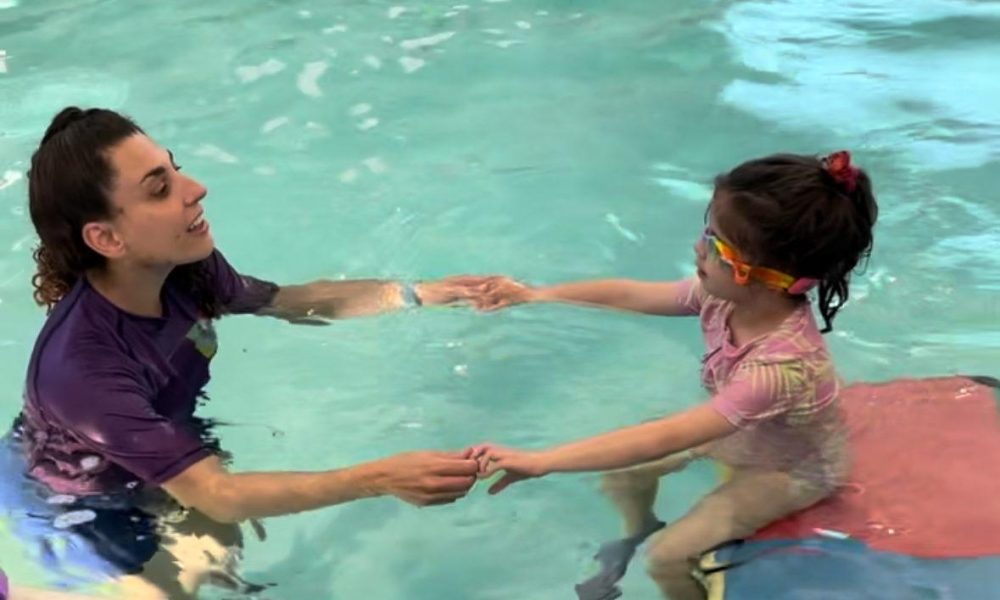
Researchers have extensively studied how aquatic therapy can benefit children with special needs. The consensus is clear: aquatic therapy sessions significantly enhance the quality of life for these children. However, the effectiveness of each session heavily depends on the skill level of the therapist. A proficient therapist must be well-versed not only in therapy principles but also in handling special needs children both in and out of the water.
Sensory Coordination Through Water-Based Treatment
Water provides a unique environment for children with sensory processing challenges. The hydrostatic pressure offered by water wraps around the child like a comforting blanket, stimulating the skin—the body’s largest organ—and supporting the nervous system. This stimulation is especially beneficial in pediatric aquatic therapy, where the focus is on long-term sensory and neurological development. Over time, many children show notable improvement in how they process sensory input and respond to their surroundings.
Supporting Developmental Milestones
Developmental skills like crawling, jumping, and walking are essential milestones in every child’s growth. Special needs conditions such as Autism Spectrum Disorder or ADHD can often delay these phases. Fortunately, aquatic therapy techniques make it easier for children to develop these skills in a low-impact, enjoyable way. The natural buoyancy of water reduces stress on joints, helping kids practice movement patterns without fear of falling or injury.
Motivation and Movement in an Aquatic Setting
Some children who enter treatment exhibit behaviors such as hand-flapping, tip-toe walking, or difficulty with eye contact. The water’s calming properties help them feel safe and encouraged to move. Aquatic therapy for kids can be particularly motivating if the child enjoys being in the water, making therapy feel more like play. As their confidence grows, so does their ability to perform basic developmental tasks.
Encouraging Social Skills in Group Sessions
One of the often-overlooked benefits of aquatic therapy is its social component. Group sessions invite children to interact, play, and communicate in meaningful ways. They might exchange toys, imitate each other, or participate in supervised games that build cognitive and emotional skills. These group settings are a standard part of comprehensive aquatic therapy services, emphasizing not just physical growth but also social and emotional development.
This is where aquatic therapy in CT goes into treatment and turns into fun. Make no mistake about this, it is part and parcel of the treatment. If anything, it is one of the most important phases of aquatic therapy. Other children with special needs are simply encouraged to interact with others in the pool. Of course, this is usually under supervision. In the process they acquire interpersonal skills. They can trade toys, high five each other, point and use gestures and copy each other. Note that the session is also aimed at helping the children acquire other vital skills such as vestibular proprioception, motor planning, cognitive skills and re-pattering of reflexes.