
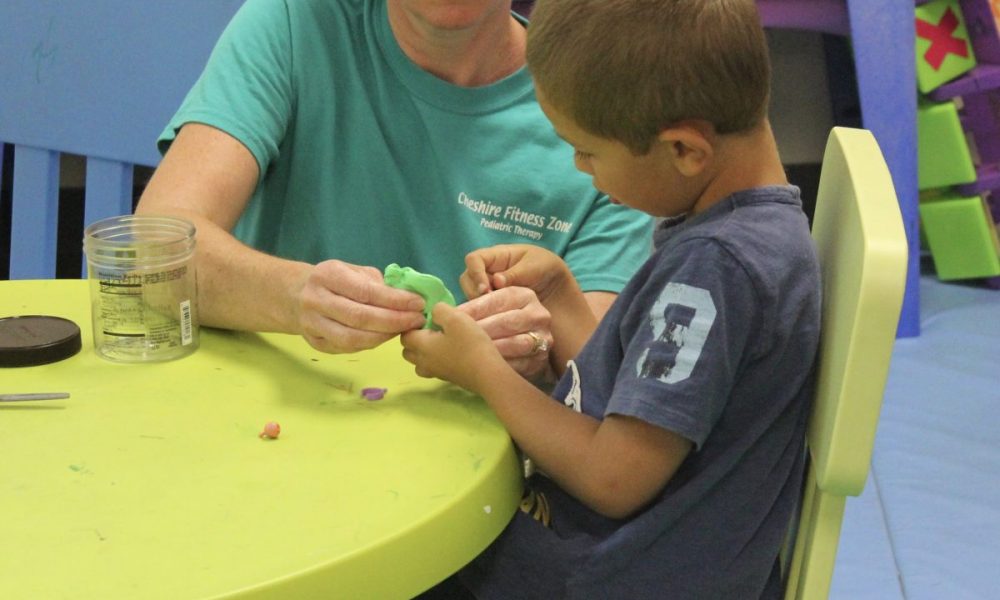
Many people still assume occupational therapy is primarily for adults. In reality, pediatric occupational therapy plays a vital role in helping children with physical, cognitive, or sensory challenges gain independence in all aspects of daily life. From improving motor coordination to enhancing emotional regulation, OT supports children in reaching their full potential through personalized, age-appropriate interventions.
Helping Children Learn, Play, and Grow
Children are naturally curious learners and playful explorers. When they face developmental challenges, it can affect their ability to thrive in school and social environments. That’s where occupational therapy for children becomes so essential. Occupational therapists evaluate a child’s ability to play, learn, and participate in daily activities and compare their skills with typical developmental milestones to determine where support is needed.
Understanding the Need for an OT Assessment
Many parents are unsure why an assessment is necessary or what it involves. Most occupational therapy services for kids begin with a comprehensive evaluation to identify strengths and weaknesses in key areas such as sensory processing, fine motor skills, and social interaction. This process helps set therapy goals and provides parents with insights into their child’s behavior and needs—both in and out of the classroom.
What to Expect from the Evaluation Process
An assessment goes beyond observing a child’s basic tasks. It often includes a look into how they function in everyday environments like school, playgrounds, and home. Therapists may assess visual perception, gross motor abilities, handwriting skills, and more. In some cases, evaluations focus on a specific concern like difficulty with self-care or playing with peers. A pediatric occupational therapist uses this information to design an individualized treatment plan tailored to the child’s developmental level and lifestyle.
The Value of In-School Observations
Sometimes, it becomes necessary for therapists to observe children in their school setting. Issues like fidgeting, inattention, or social challenges may be more visible in a classroom. Teachers often notice patterns that parents might overlook. School visits allow therapists to evaluate how the child responds to group settings and structured activities, while also identifying what support systems and opportunities are already in place.
OT At Cheshire Fitness Zone