There is a broad spectrum of special needs that relate to autism. The good news is, there are effective solutions that significantly improve a child’s quality of life. Autism can present early challenges with learning, communication, and socialization. Amid these difficulties, one intervention stands out for its comprehensive benefits—aquatic therapy. Here’s how it works and why it’s transforming the lives of children diagnosed with autism.
Why the Water Environment Works
The water setting creates a unique sensory experience that caters directly to the needs of children with autism. The hydrostatic pressure of the water has a soothing effect, which is particularly helpful for children prone to anxiety or overstimulation. Warm water is often used to enhance comfort and foster an ideal learning environment. As part of aquatic therapy services, this environment helps reduce sensory overload while promoting calmness, focus, and cognitive development.
Improving Sensory Processing Naturally
Children with autism often face sensory integration challenges, reacting intensely or unpredictably to touch, sound, or movement. In pediatric aquatic therapy, children are gently introduced to controlled sensory inputs through water. The calm resistance of water provides just enough stimulation to help children learn how to process and adapt to new stimuli over time—without overwhelming their systems. This leads to more balanced behavior and improved responses in day-to-day environments.
Reducing Physical and Emotional Stress
One of the most practical benefits of water therapy is its ability to reduce body weight by up to 90%, relieving pressure on joints and muscles. This allows children to move more freely and with greater comfort. For children who experience muscle tension due to anxiety, the warm water provides immediate relief. This form of aquatic therapy for kids is especially helpful for high-energy children, as it provides a healthy outlet for movement while encouraging better sleep and appetite.
Therapeutic Play That Encourages Development
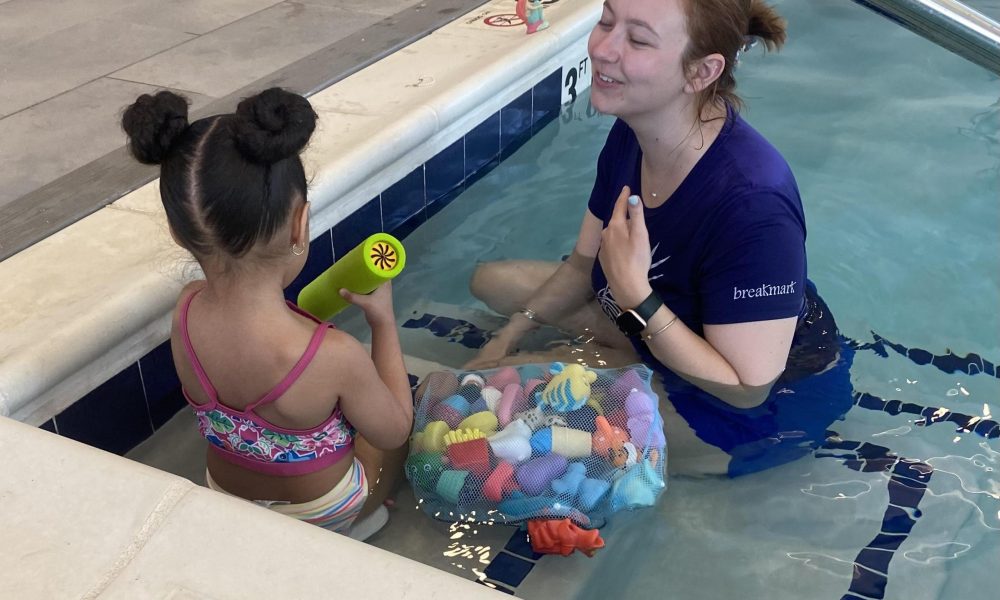
Therapy in water doesn’t just benefit the body; it nurtures the mind and emotions as well. The playful, engaging nature of water therapy helps children feel more open to interaction and learning. Many families report progress in areas such as eye contact, verbal communication, and social skills. With the guidance of trained therapists using proven aquatic therapy techniques, children make steady strides in both their physical and emotional development.