National Speech-Language-Hearing Month: How Speech and Language Skills Support Early Reading & Literacy Skills
May is National Speech-Language-Hearing Month, a time to raise awareness about communication development and the important role speech and language skills play in a child’s daily life. One area that is closely connected to communication development is literacy.
When families think about learning to read, they often think about letters, books, and sounding out words. However, many of the skills needed for reading begin developing long before a child reads independently. Early communication experiences help build the foundation for literacy development.
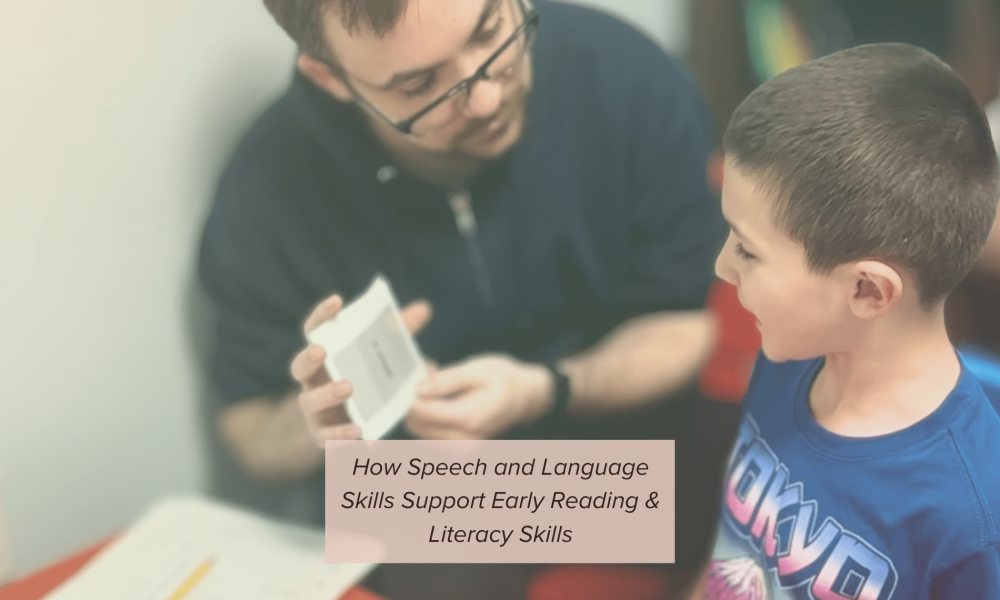
Speech-language pathologist Matt LaPorta shares insight how to support early literacy skills.
The Connection Between Speech, Language, and Literacy
Speech and language skills support many of the building blocks needed for reading and writing. Children use communication skills to understand stories, learn new vocabulary, answer questions, recognize sounds in words, and express their ideas.
Early literacy development includes:
- Vocabulary growth
- Listening and comprehension skills
- Sound awareness
- Storytelling and sequencing
- Social interaction and conversation
Children develop these skills naturally through play, conversation, reading, and everyday interaction with caregivers and family members.
For example, when children listen to stories, sing songs, ask questions, or describe their day, they are strengthening communication skills that support future reading success.
What Is Phonological Awareness?
One important literacy skill is phonological awareness, which is the ability to recognize and play with sounds in spoken language.
Phonological awareness includes skills such as:
- Recognizing rhyming words
- Identifying beginning sounds
- Clapping syllables
- Blending sounds together
- Hearing similarities and differences between words
These skills help children understand that words are made up of sounds, which is an important step in learning to read.
Many phonological awareness activities can be practiced naturally through everyday routines and play.
Simple Ways to Support Literacy at Home
Families can support literacy development during everyday activities without needing complicated materials or long lessons.
Read Together Daily
Reading aloud helps children hear new vocabulary, build listening skills, and strengthen comprehension.
While reading, families can:
- Ask questions about the story
- Talk about pictures
- Predict what may happen next
- Encourage children to retell parts of the story
Rereading favorite books can also help children become familiar with language patterns and story structure.
Encourage Conversation
Conversation plays a major role in language development. Talking throughout the day helps children hear and practice new vocabulary and sentence structures.
Try encouraging communication during:
- Meals
- Car rides
- Grocery shopping
- Outdoor walks
- Playtime
- Bedtime routines
Simple back-and-forth interaction helps strengthen communication skills over time.
Sing Songs and Play Rhyming Games
Songs, nursery rhymes, and rhyming activities help children hear patterns and sounds in language.
Activities such as:
- Singing repetitive songs
- Clapping syllables
- Playing rhyming games
- Identifying beginning sounds
This can help build phonological awareness skills in fun and engaging ways.
Encourage Storytelling
Storytelling helps children organize thoughts, describe events, and build expressive language skills.
Families can encourage storytelling by asking children to:
- Retell part of their day
- Describe a favorite activity
- Explain how something works
- Create stories during pretend play
When Additional Support May Help
Every child develops at their own pace, but some children may need extra support with speech, language, or literacy-related skills.
Some signs families may notice include:
- Difficulty following directions
- Limited vocabulary
- Difficulty answering questions
- Trouble recognizing rhymes or sounds
- Challenges expressing thoughts clearly
- Difficulty retelling stories
Early support can help children strengthen foundational communication skills that support learning and literacy development.
How Speech Therapy Can Help
Speech-Language Pathology supports many of the communication skills connected to literacy and reading readiness.
Speech-language pathologists may help children develop:
- Vocabulary skills
- Language comprehension
- Phonological awareness
- Speech sound production
- Social communication
- Storytelling and sequencing skills
Therapy sessions often incorporate books, play, conversation, and interactive activities to help children build communication skills in meaningful and engaging ways.
At Cheshire Fitness Zone, our speech-language pathologists work closely with children and families to support communication development through individualized therapy experiences tailored to each child’s strengths and needs.